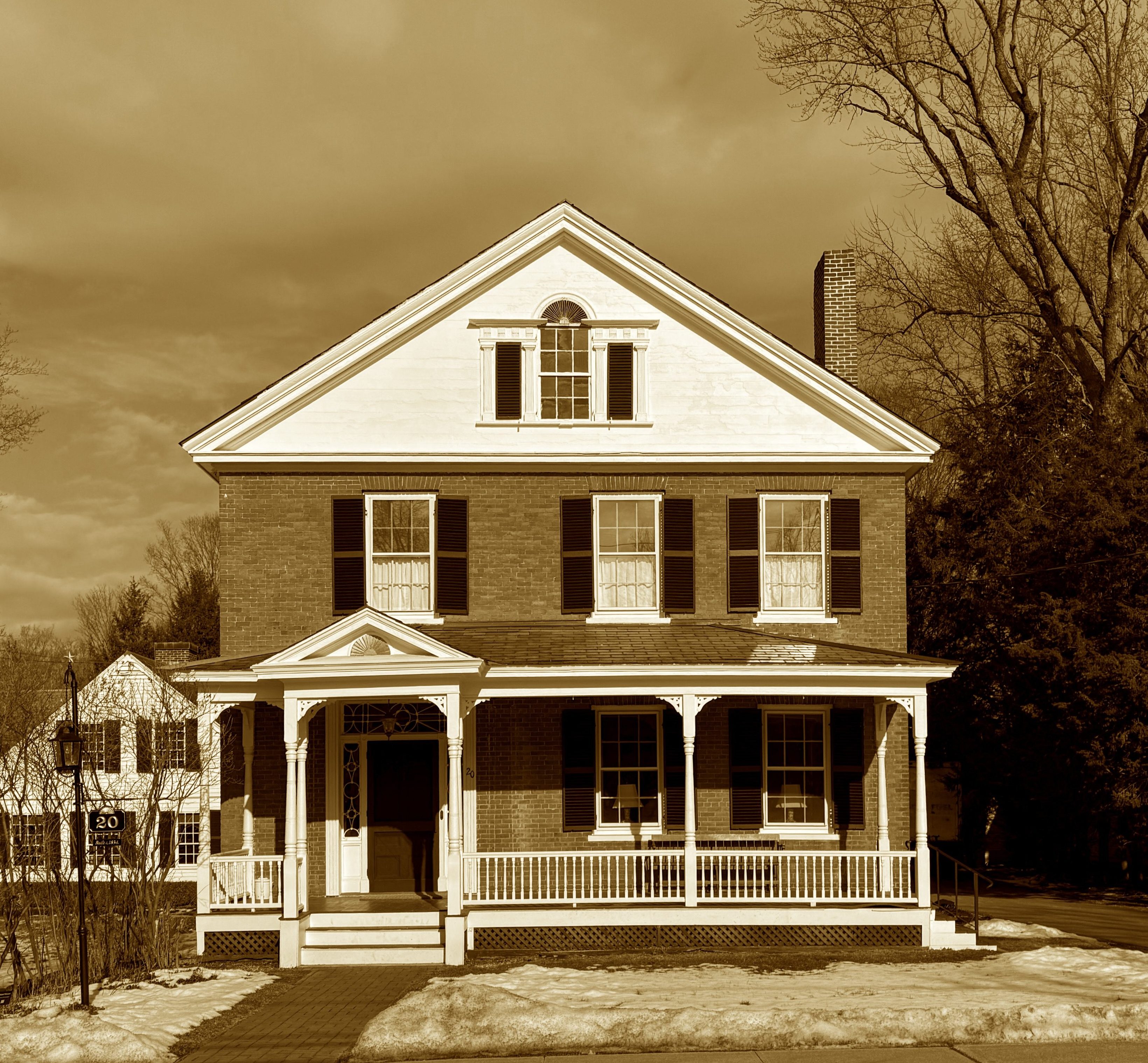

50 Elm Street was built circa 1811 by David Stone (1776-1839), a fur trader who had made his fortune in the early American fur business. The house showcases a blend of Federal and later Georgian architectural elements, including a fanlight over the front door, a Palladian window above, and two-story pilasters flanking the façade. Around 1868, a second-story porch was added, reflecting evolving tastes and use of the building.
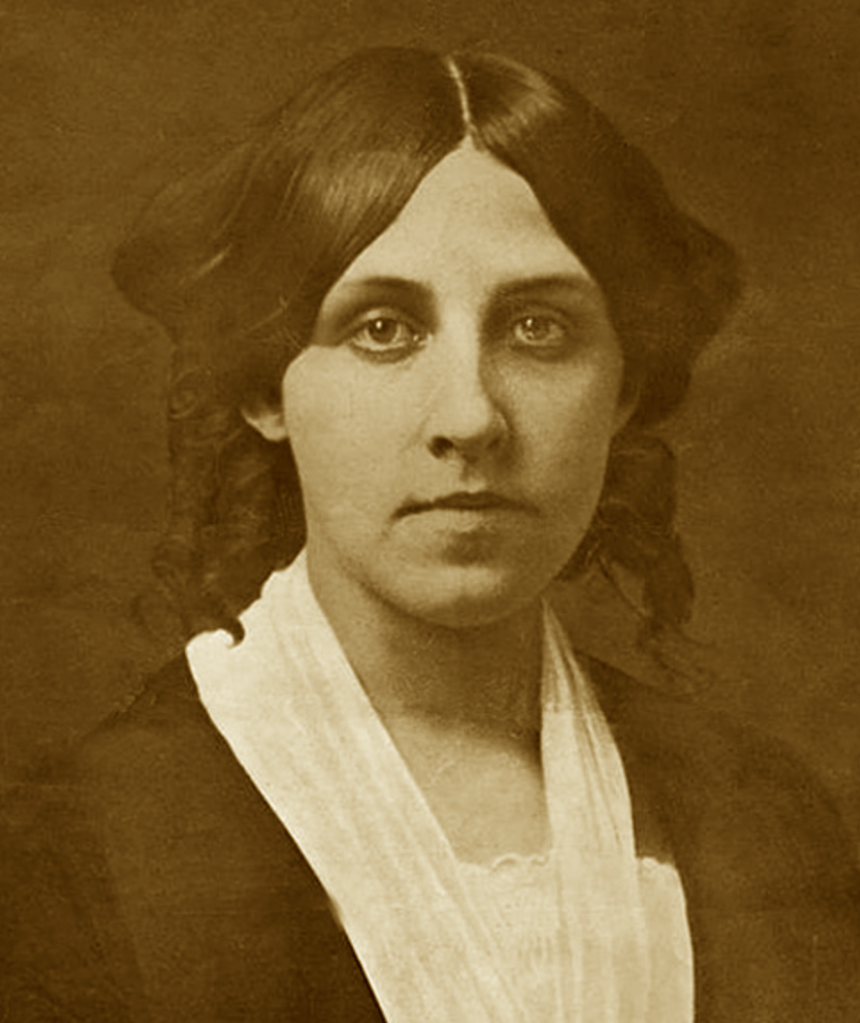
The house is historically significant for its role as a cultural venue in mid-nineteenth-century Walpole. It was the site of performances by the Walpole Amateur Dramatic Company, which held productions in the attic. On 11 September 1855, both Louisa May Alcott and her sister Annie performed in The Jacobite and The Two Bonneycastles, entertaining 100 to 200 attendees. A review of this performance was later published in the Boston Gazette. At the time, the house was owned by Dr. Jesseniah Kittredge, who maintained the property from 1830 to 1868.
After Kittredge sold the property, it became Mrs. Wright’s Boarding House, which evolved into the Elmwood Inn. In 1930, Donald McNaughton of Lowell, Massachusetts purchased the inn and renamed it The Old Colony Inn.
During the 1950s, while researching and writing his novel Hawaii (1959), James A. Michener resided here, using Walpole as the model for the hometown of one of the novel’s central families. In a 1969 letter to Walpole librarian Anita Aldrich, Michener described Walpole as “one of the most beautiful villages in the United States” and remembered that it was the view of the First Congregational Church parsonage across the Common from his window that inspired the residence of Michener’s Bromley clan.

The house is now a private residence, but it remains a notable site linking Walpole to Alcott family history, nineteenth-century village theater, and American literary culture, while also reflecting the architectural evolution of a prominent village inn over nearly two centuries.

