MASTER BUILDER
The work of Aaron Prentiss Howland (1801–1867) occupies a distinctive place in the architectural landscape of Walpole, New Hampshire. His buildings embody the optimism and civic ambition of the Greek Revival style, which came to symbolize the ideals of the young American republic in the early nineteenth century. As a direct descendant of Mayflower passengers, Howland represents a tangible link between the nation’s colonial origins and its evolving architectural and cultural identity.
This site offers a comprehensive exploration of the history and architecture of the historic residence at 20 Westminster Street, one of Howland’s best-known works. Visitors will find biographies of the home’s former owners, tracing their lives and contributions to Walpole and the surrounding region. These narratives illuminate the individuals who shaped the community and reveal their enduring connections to this remarkable property.
The site also situates the house within its broader setting through a companion walking tour of the village of Walpole, interpreting the residence as part of a cohesive historic streetscape. Detailed examinations of the architectural features at 20 Westminster Street highlight how the building expresses the classical ideals, craftsmanship, and aspirations of early nineteenth-century America. Greek Revival architecture remains a defining element of Walpole’s historic character, and this house stands as a particularly fine example of the style.
Whether encountered along the walking tour or studied on its own, the house at 20 Westminster Street offers insight into the people, ideas, and architecture that have shaped Walpole’s enduring sense of place.
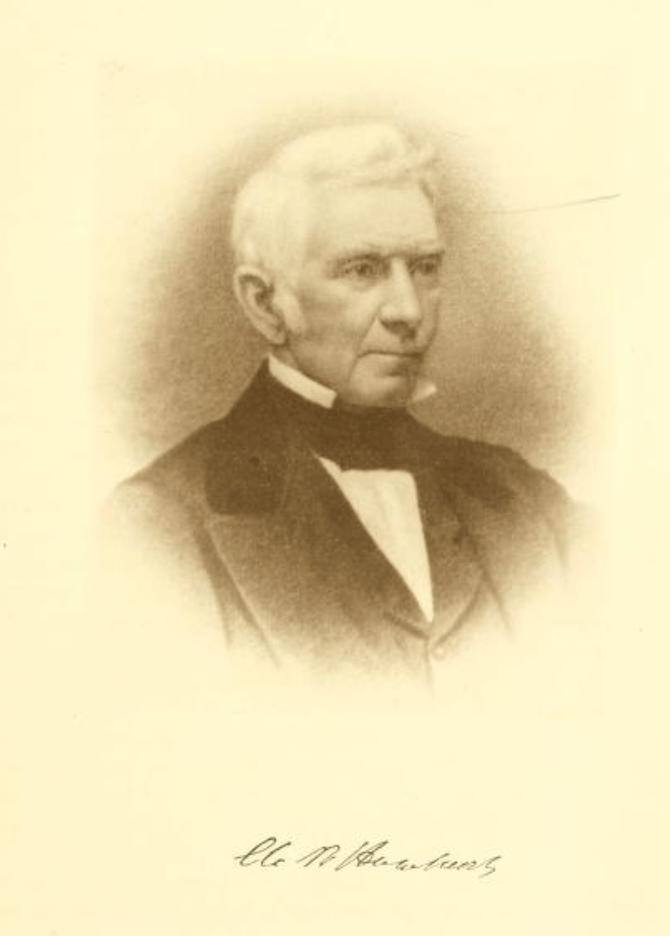
 Aaron Howland House